How Nutrition Supports Uterine Health: Foods That Help Hormones, Periods and Fibroids
March often brings a welcome spotlight on women’s health — from International Women’s Day to increased awareness of conditions such as endometriosis.
But there’s one topic we still don’t talk about nearly enough: uterine health.
We talk about heart health.
We optimise our gut.
We buy collagen for our skin.
Yet very few women are ever taught how nutrition influences the health of the uterus.
Your uterus is not passive tissue. It is highly responsive to the internal environment of your body and reflects factors such as hormone balance, metabolic health, inflammation levels and nutrient status.
If you still have a menstrual cycle, your period is not random. It is valuable information about what is happening inside your body.
And even after menopause, uterine health still matters.
Why Uterine Health Matters
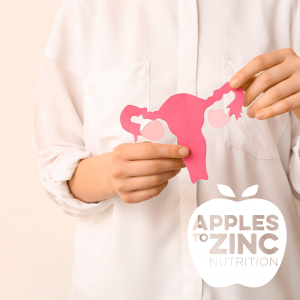
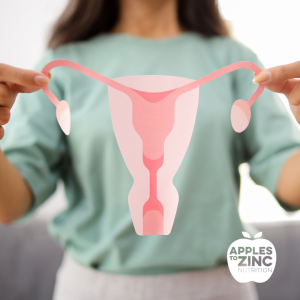
A woman holding a paper uterus to support uterine health
The health of the uterus can influence several aspects of menstrual and reproductive health, including:
- period regularity
- flow volume
- clotting
- cramping and pelvic pain
- bleeding patterns during perimenopause
Several common conditions affect the uterus, including:
- Uterine fibroids (up to 70–80% of women develop these by age 50)
- Adenomyosis
- Endometriosis
These conditions have complex causes and cannot be explained by a single factor. However, research increasingly suggests that inflammation, insulin levels and metabolic health all play a role.
This means that nutrition and lifestyle choices may be able to influence the internal environment that the uterus responds to.
The uterus does not exist in isolation. It responds to what is happening throughout the body
The Link Between Metabolic Health & The Uterus
The uterus is closely connected to hormone signalling and metabolism.
For example:
- The uterine lining grows in response to oestrogen.
- Inflammation can influence pelvic pain and cramping.
- Insulin affects hormone signalling and ovulation.
- The liver and gut help regulate how oestrogen is metabolised and cleared from the body.
Because of this, what you eat can influence:
- hormone balance
- inflammatory load
- blood sugar regulation
- nutrient availability
In clinical practice, when these systems are supported, improvements in menstrual health and uterine symptoms may be seen as well.
Foods That Support Uterine Health
While there is no single “magic food”, certain dietary patterns can help support hormone balance, metabolic health and inflammation levels.
1. Fibre-Rich Foods
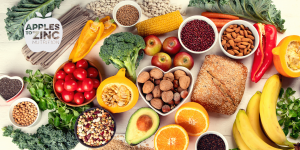 Fibre plays an important role in oestrogen metabolism.
Dietary fibre helps bind excess oestrogen in the digestive tract so it can be eliminated from the body via the gut.
Good sources of fibre include:
beans and lentils
oats
flaxseed
vegetables
wholegrains
Most women would benefit from aiming for around 30 grams of fibre per day. Here's a link to my free guide to help you with fibre intake
2. Cruciferous Vegetables
Cruciferous vegetables (often the green ones!) contain compounds that may support healthy oestrogen metabolism in the liver.
Examples include:
broccoli
kale
cabbage
cauliflower
rocket
Regularly including these vegetables in meals may help support overall hormone balance.
3. Omega-3 Fats
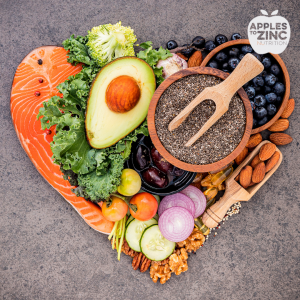
Omega-3 fatty acids may help reduce inflammatory prostaglandins — hormone-like chemicals involved in menstrual pain and inflammation.
Good sources include:
oily fish such as salmon, sardines and mackerel
walnuts
flaxseeds
chia seeds
A diet that includes adequate omega-3 fats may help support reproductive health and reduce inflammatory load. If you are worried about eating fats and your cholesterol levels then head to this blog for a better understanding
4. Adequate Protein Intake
Protein is essential for several processes relevant to hormone health.
It supports:
liver detoxification pathways
stable blood sugar levels
tissue repair and recovery
Many women, particularly busy professionals, under-eat protein, especially at breakfast.
Starting the day with only coffee, cereal or toast can contribute to energy dips, cravings and unstable blood sugar later in the day.
Including protein at each meal can help support hormonal stability and metabolic health. Here's a link to my free download to support your protein intake
5. Iron and Mineral Awareness
Women with heavy periods may be at greater risk of low iron stores.
This is because iron is lost through menstrual bleeding, and heavy or prolonged periods can increase this loss.
Low iron levels may contribute to symptoms such as:
fatigue
dizziness
reduced exercise tolerance
Iron-rich foods include:
red meat
pulses and legumes
green leafy vegetables
pumpkin seeds
If you often feel tired despite eating well, it may be worth asking your GP to check ferritin levels, which reflect iron stores.
Dietary Habits That May Not Support Uterine Health
This is not about perfection. However, being aware of certain dietary patterns can be helpful.
Ultra-Processed Foods
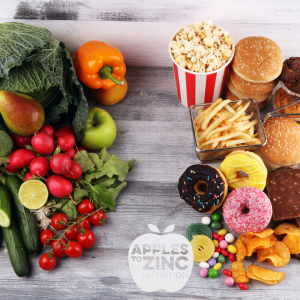 Ultra-processed foods are often:
-
high in refined carbohydrates
-
high in industrial seed oils
-
low in fibre and micronutrients
Diets high in these foods may contribute to inflammation, blood sugar instability and poorer metabolic health.
Frequent Blood Sugar Spikes
Regular consumption of high-sugar snacks, sweets, biscuits and cakes can lead to repeated blood sugar spikes.
This may elevate insulin levels, which can influence hormone signalling and reproductive health.
Excess Alcohol
Alcohol can affect several processes related to hormone balance, including:
-
liver function
-
oestrogen metabolism
-
sleep quality
Reducing alcohol intake may support overall hormonal and metabolic health.
Chronic Under-Eating
Chronic under-eating is surprisingly common among busy, high-achieving women.
Skipping meals, restrictive dieting and relying on caffeine can place stress on the body and may disrupt ovulation and hormone balance.
Adequate energy intake is essential for healthy reproductive function.
Does Uterine Health Still Matter After Menopause?
Once periods stop, many women assume their uterus is no longer relevant. However, uterine health still matters.
Even after menopause:
-
the uterine lining can respond to circulating oestrogen
-
metabolic health continues to influence inflammation
-
insulin resistance can still affect hormone signalling
Nutrition, movement and metabolic health remain important for long-term wellbeing and healthy ageing.
Importantly, any bleeding after menopause should always be discussed with a GP.
When to Speak to Your GP
It is important to seek medical advice if you experience:
-
bleeding lasting longer than 7–8 days
-
bleeding between periods
-
bleeding after menopause
-
severe or worsening pelvic pain
These symptoms should always be assessed by a healthcare professional.
Supporting Your Uterine Health
 Looking after your uterus is not about perfection or strict rules.
It is about understanding how your body works and creating an internal environment that supports hormonal and metabolic health.
Small, consistent changes to nutrition, movement and lifestyle can make a meaningful difference over time.
If you would like personalised support with your health or hormone balance, you are welcome to book a no-obligation call.
Janet x