What is Cholesterol?
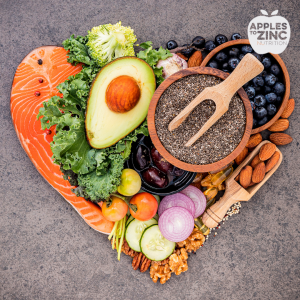
High cholesterol is closely linked to cardiovascular disease. While heart disease is often thought of as a “male issue”, it remains one of the leading causes of death in women — second only to dementia and Alzheimer’s disease in the UK. Despite this, women are still less likely to be screened early or recognise their own risk.
Cholesterol is almost always spoken about in a negative way but it actually has a very important role with cell development, digestion of foods, making hormones and vitamin D. Around 70–80% of our cholesterol is produced internally — mainly in the liver — with the remainder coming from food.
We hear about "good" cholesterol and "bad" cholesterol" but what does that actually mean?
Good cholesterol (known as HDL) is a lipoprotein that takes cholesterol from cells back to the liver to be destroyed and excreted
Bad cholesterol (know as LDL) is also a lipoprotein that carries cholesterol from the liver to the cells
Both have very important jobs but when LDL levels are high, or when LDL particles are more likely to become damaged or oxidised, cholesterol can accumulate in the artery walls, increasing the risk of heart disease and stroke...so it's only actually "bad cholesterol" when there is too much of it and there is not enough HDL to mop it up and take it back to the liver!
Knowing Your Cholesterol Levels
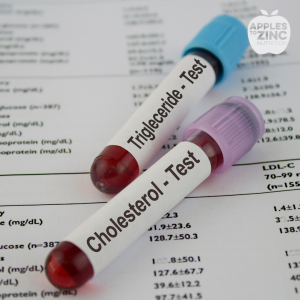
Historically, people looked at total cholesterol levels to determine heart health.
This was potentially quite a short sighted view and not quite the full picture.
You may have normal cholesterol levels but if it's all LDL and very little HDL then you may potentially have a build up in those arteries. Likewise, you might have high total cholesterol but if you have high HDL that could be buffering the LDL and not be causing any issues. Because of this cholesterol ratios can be a helpful guide, particularly for understanding balance between LDL and HDL.
This ratio is calculated by dividing your total cholesterol number by your HDL cholesterol number. A lower ratio may indicate a lower risk of heart disease, while a higher ratio suggests a greater risk. A ratio below 6 is considered ideal
However, they are not the whole story. Triglycerides, non-HDL cholesterol and overall metabolic health also play important roles — especially for women after menopause.
Women and Cholesterol

Young woman with hands shaped like a heart in front of her face
Whilst cholesterol levels are quite similar between males and females there are some key elements to consider.
- Women of childbearing age naturally have higher HDL (good) cholesterol
- Low thyroid hormones (those with hypothyroidism) are well known to increase LDL and decrease HDL levels
- The drop in oestrogen during perimenopause and menopause is linked to higher LDL, lower HDL and changes in how cholesterol is processed by the liver. This is one reason many women see cholesterol levels rise in their 40s and 50s — even if their diet, weight and lifestyle haven’t changed.
- Women often experience higher or more sustained levels of stress, and chronically raised cortisol can stimulate increased LDL production in the liver, contributing to an unfavourable cholesterol balance.
- Although diabetes is more common in men, women with diabetes are more at risk of developing heart disease than men with diabetes
- Women (and also men) are at a higher risk of high LDL cholesterol if they are of South Asian or sub-Saharan African origin.
Foods and Lifestyle Tips to Help Your Cholesterol
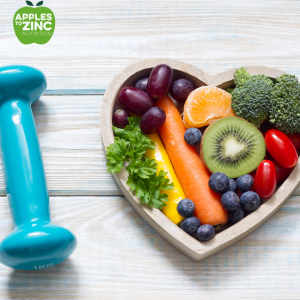 Dietary and lifestyle adjustment may be very helpful as 20-30% of cholesterol can be moderated from the foods we eat. Genetics definitely play a big role but there is still things that can be done!
Simple changes include
 More fibre: fibre from beans, lentils, fruits and vegetables bind cholesterol in the intestines and stop their absorption into the blood stream
More protein: Adequate protein supports blood sugar balance and metabolic health, and some evidence suggests whey protein may help reduce LDL cholesterol.
Less saturated fats: switch to white meats and fish, reduce cheese and choose plant proteins such as beans and pulses. Diets high in saturated fat can reduce the liver’s ability to clear LDL from the bloodstream in some people, leading to higher LDL levels.
Exercise: Helps to boost HDL production and supports weight management, stress and diabetes
Stop smoking: it's linked to poor vascular health
Don't Get Conned

 A quick word on ‘cholesterol-lowering’ products
Some margarines, yoghurts and drinks marketed as cholesterol-lowering do contain plant sterols, which are proven to reduce LDL cholesterol. However, many of these products are highly processed.
In practice, similar benefits can often be achieved through whole foods — or, where appropriate, a targeted plant sterol supplement — without relying on ultra-processed options.
If you’re concerned about your cholesterol levels, or simply want a clearer picture of your heart health, checking your levels is a valuable first step. At my clinic I offer finger-prick testing (with the understanding that a full blood test remains the gold standard).
If cholesterol levels are already raised, support can make a real difference. With the right nutrition, lifestyle adjustments and personalised guidance, it’s often possible to improve cholesterol balance without extremes.
Why not come and see me and we can work on a plan to support you
Janet x