
5 Everyday Habits That Support Vaginal Health (And What to Avoid)
Vaginal Health Isn’t Taboo—It’s Vital
Vaginal health is an important part of overall women’s health, yet it’s something many women don’t feel comfortable talking about.
The vagina is a self-regulating environment, but everyday habits — from how you wash to what you eat — can influence vaginal pH, the microbiome and overall comfort.
In this blog, I’m sharing five simple habits that can help support vaginal health and reduce the risk of irritation or infection.
1. How You Wash (Vaginal hygiene)
Here’s the truth: your vagina is self-cleaning. You don’t need soaps, fragrances, or fancy products down there—especially not inside. In fact, using harsh or scented soaps can negatively change your vaginal pH, strip away the good bacteria, and dry out the delicate membrane. That combo can leave you much more vulnerable to irritation, itching, or infections.....ouchy!
And douching? A big no. This is when you push water up inside the vagina to really wash it our. It can actually disrupt the natural balance and, worse, push harmful bacteria further up into the vagina.
What to do instead: Use warm water only to gently cleanse the external area (the vulva). Avoid lots of shower gels, bubble baths, feminine wipes, and scented liners. Vaginal hygiene is important but it needs to be done right!
2. The Underwear You Choose
 Your underwear matters more than you think. Materials like lace, satin, mesh, and synthetic blends don’t allow your skin to breathe, which means trapped moisture—an ideal environment for bacteria and yeast to grow. Tight-fitting underwear or sports styles can have the same effect.
And thongs? They’re sexy, sure—but they also increase the risk of irritation and bacteria transfer due to their close contact. That is not great for vaginal health!
What to go for instead: Choose breathable fabrics like cotton or bamboo, and at the very least, look for undies with a cotton gusset. Save your lacy or tight pairs for special occasions—not all-day wear. Oh, and make sure they actually fit. Tight undies = more problems for vaginal health.
3. Your Choice of Menstrual Products
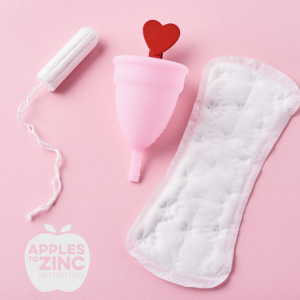 This one isn’t every day for everyone, but it's definitely worth mentioning—especially since many people use panty liners between periods (about 30% of women do!).
Here’s the issue: many pads, liners, and tampons are made with plastic backing and synthetic materials that trap moisture and heat. Some are also scented or bleached, which can trigger allergic reactions, disrupt pH balance, and even cause contact dermatitis. Your vaginal health will not be happy with that.
Leaving tampons in too long or using a higher absorbency than you need can also increase the risk of toxic shock syndrome and vaginal dryness. I do appreciate it is easy to leave things in too long especially if you are busy at work or at home and don't have a lot of time to keep dashing to the loo.
What to use instead: Choose organic, fragrance-free cotton products when you can. Consider trying a menstrual cup, reusable bamboo pads, or period underwear for a healthier, more sustainable option. I am a big fan of TOTM products!
4. How Much Sugar You Eat

I hate to break this bad news to you, but sugar can seriously mess with your vaginal health.
Your vagina naturally contains yeast (such as candida), and sugar is its favourite food. Consuming a high-sugar diet may feed yeast overgrowth, leading to uncomfortable, itchy infections. Sugar also causes inflammation and reduces the good bacteria in both the vaginal and gut that your body needs to stay balanced.
What to do instead: Keep your sugar intake in check and focus on balanced meals with plenty of fibre and protein to support your gut and vaginal microbiome. You could also read my 8 tips for cutting out sugar.
5. How Stressed You Are
 Stress doesn’t just affect your mood and motivation—it can affect your vaginal health too.
When you’re stressed, your body produces more cortisol, which can lower oestrogen levels. Oestrogen is an essential hormone for keeping the vaginal tissue healthy, lubricated, and the vaginal pH balanced (which is why dryness is common during perimenopause and beyond as the oestrogen is naturally lowered).
Stress also disrupts the microbiome in both your gut and vagina, weakening your natural defenses and increasing risks of infection.
What you can do instead: Prioritize sleep, carve out time every day for rest, mindfulness and things that bring you joy. Even just a few minutes of deep breaths can help bring your body back into balance.
If you are feeling frazzled or stressed then this blog can be a great starting point to help start to turn things around
These are just 5 everyday habits that impact vaginal health and hopefully you are already doing a lot of these things positively —amazing!
5 Signs Your Vaginal Health Might Need Support
-
itching
-
unusual discharge
-
odour
-
irritation
-
dryness
If you’ve spotted a few habits or symptoms that could use a tweak, making those small changes or go and see your GP. Your vagina deserves care, respect, and a little bit of everyday love. 
Janet x