
Nutrition for Stress and Resilience: How Food Can Support Your Ability to Cope
There are times in life when we all feel stretched.
Work is demanding. Family life is busy. Your to-do list seems to grow faster than you can tick things off. Yet somehow, you manage.
Then there are other weeks when even the smallest inconvenience feels overwhelming. A delayed train. One more email. Someone asking, "What's for dinner?" Suddenly your patience has disappeared, you're snapping at the people you love or you find yourself reaching for biscuits or chocolate simply because you need a moment of comfort.
If that sounds familiar, you're certainly not alone.
Many women don't realise just how important nutrition for stress and resilience can be until they begin feeling overwhelmed, exhausted or as though they're constantly running on empty. They tell me they feel as though they've "lost their resilience." They wonder why they can't cope with life's pressures in the way they used to and often blame themselves for feeling overwhelmed.
The reality is usually much more complex than that.
After working with women for over a decade, I've learnt that resilience isn't simply a personality trait. It's not something you're either born with or without, nor is it about becoming mentally tougher than everyone else. Our ability to cope with stress is influenced by many different factors, including our sleep, physical health, hormones, relationships, workload and, perhaps surprisingly, our nutrition.
Food won't remove the pressures in your life. It won't stop deadlines, school runs or family responsibilities. What it can do is influence how well your body and brain respond to those pressures, how efficiently you recover afterwards and how much energy you have available to cope with whatever life throws at you.
As awareness grows around the importance of mental wellbeing, resilience has become one of the most common topics I speak about in corporate wellbeing workshops too. Whether I'm talking to busy professionals in the workplace or women in my clinic, one message comes up time and time again:
We can't always change the amount of stress in our lives, but we can often influence how well our bodies are equipped to cope with it.
What Do We Actually Mean by Resilience?

Resilience is often misunderstood.
People sometimes think it means never feeling stressed, always staying positive or simply "getting on with it."
In reality, resilience is your ability to adapt, recover and continue functioning when life becomes challenging. It isn't about avoiding stress altogether; it's about how effectively your mind and body respond to it.
Think of resilience like the battery on your phone.
Every challenge, deadline, poor night's sleep or difficult conversation uses a little more of that battery. If there's no opportunity to recharge, it becomes harder and harder to function at your best.
The same is true for your body.
Sleep helps recharge that battery.
Recovery helps recharge it.
Movement helps recharge it.
Good nutrition helps provide the resources your body needs to recharge it.
None of these things remove stress completely, but together they can influence how resilient you feel over time.
Why Does Nutrition Influence Resilience?
When we're under stress, our bodies don't just react emotionally. They respond biologically too.
The brain activates what is known as the stress response, releasing hormones such as cortisol and adrenaline. These hormones are incredibly helpful in the short term because they prepare us to deal with immediate challenges by increasing alertness and making more energy available to the brain and muscles.
The problem arises when stress becomes prolonged.
Long-term stress has been associated with changes in appetite, blood glucose regulation, sleep quality, digestion, immune function and inflammation. It can also affect our food choices, making us more likely to skip meals, rely on caffeine, eat on the go or crave convenient, high-energy foods.

In other words, the very time our bodies need the most support is often when we provide the least.
This creates a cycle that many busy women recognise.
You feel stressed, so you skip lunch because you're too busy.
By late afternoon your energy has crashed, your concentration has disappeared and the biscuit tin suddenly becomes much more appealing.
You promise yourself you'll eat better tomorrow.
Tomorrow arrives, another busy day unfolds, and the cycle repeats.
This isn't simply about lacking willpower.
It's about understanding how stress affects the body and recognising that nutrition can either support that stress response or make it harder to recover from.
Can Food Really Make You More Resilient?

This is probably one of the questions I get asked most often after my resilience talks.
The honest answer is...
Not on its own.
There isn't one food, one supplement or one "superfood" that suddenly makes us resilient.
Resilience is influenced by many different aspects of our health and lifestyle, including our sleep, relationships, movement, stress management, medical conditions and hormones.
However, nutrition provides the foundations that allow many of these systems to function effectively.
Research consistently shows that dietary patterns rich in whole foods, healthy fats, fibre, fruit, vegetables and adequate protein are associated with better physical health and may also support aspects of mental wellbeing. Whilst nutrition is only one piece of the puzzle, it is one of the few factors we can influence every single day.
That's why I prefer to think about nutrition for resilience in the same way I think about nutrition for long-term health.
It's not about finding the one magical food.
It's about creating the conditions that allow your body and brain to perform at their best, especially during periods of stress.
Why Your Everyday Eating Habits Matter More Than Any Single Food
Whenever nutrition is mentioned, it's tempting to look for the one food that's going to make the biggest difference.
Is it blueberries? Salmon? Dark chocolate? Turmeric?
Whilst all of these foods can absolutely form part of a healthy diet, resilience isn't built by one ingredient.
It's built by the overall pattern of how we eat.
Our bodies rely on a constant supply of energy and nutrients to support everything from hormone production and brain function to our immune system and nervous system. When those foundations are in place, we're generally better equipped to respond to the everyday stresses that life inevitably brings.
Let's look at a few of the reasons why.
1. Your Brain Needs Fuel
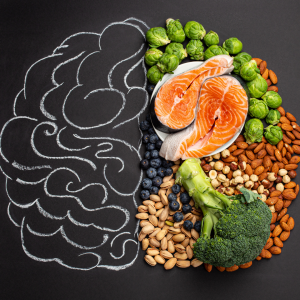 Although your brain represents only around 2% of your body weight, it uses approximately 20% of your body's energy at rest. It relies on a regular supply of glucose to function efficiently, supporting concentration, memory, decision-making and emotional regulation.
When life is busy, many women unintentionally under-fuel. Breakfast is skipped, lunch is eaten at the desk (if it's eaten at all), and by late afternoon they feel exhausted, irritable and desperate for something sweet.
This isn't simply about a lack of willpower. It's often the predictable response of a brain that's trying to keep functioning despite inconsistent fuel.
That doesn't mean we need to eat constantly or fear every dip in blood sugar. It simply reminds us that regular nourishment plays an important role in supporting both our energy levels and our ability to think clearly throughout the day.
2. All Nutrients Have Different Roles
When we think about resilience, it's easy to focus purely on mindset.
In reality, resilience depends on multiple systems within the body working together.
 Our nervous system, immune system, digestive system and hormonal system are constantly communicating with one another. They all require a wide range of nutrients to function normally, which is one of the reasons nutrition plays such an important supporting role in overall health.
Take protein, for example.
Protein provides the amino acids needed to build and repair tissues throughout the body, but it also contributes to the production of enzymes, hormones and neurotransmitters involved in many aspects of normal brain function.
Healthy fats are equally important, providing essential fatty acids that support cell membranes throughout the body, including those within the brain.
Vitamins and minerals such as the B vitamins, magnesium, zinc and iron also contribute to normal energy metabolism and nervous system function. Whilst deficiencies don't explain every symptom, ensuring we're meeting our nutritional requirements gives the body the resources it needs to function as effectively as possible.
3. Your Gut & Brain Are Constantly Talking
One area of nutrition research that has grown enormously over the last decade is the relationship between the gut and the brain.
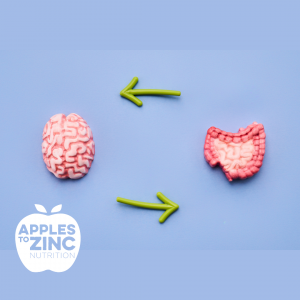
The gut contains trillions of bacteria, collectively known as the gut microbiome, which communicate with the brain through what is often referred to as the gut-brain axis.
Researchers are continuing to explore how this complex relationship may influence aspects of mood, immune function and overall health. Whilst there's still much to learn, one message is becoming increasingly clear: looking after our gut health is about much more than digestion.
This is one of the reasons I often encourage women to think about dietary variety rather than chasing individual "superfoods."
A varied diet that includes plenty of plant foods naturally provides fibre and plant compounds called polyphenols, both of which help support a diverse gut microbiome.
4. Recovery Is As Important As Coping
One of the biggest misconceptions about resilience is that it's all about pushing through.
In reality, resilient people don't simply cope well.....They just recover well.
Recovery allows the body and brain to adapt after periods of stress. Without opportunities to recover, our internal "battery" gradually becomes depleted, making everyday challenges feel increasingly difficult.
This is often where busy women struggle most.
When life becomes stressful, the very habits that support recovery are often the first to disappear. Meals become rushed, sleep is shortened, exercise becomes another thing on the to-do list and time for yourself feels impossible to justify.
Over time, it's hardly surprising that resilience begins to feel harder to maintain.
Nutrition won't solve every source of stress, but it can provide one of the foundations that supports recovery alongside sleep, movement, social connection and effective stress management.
Why There Isn't One Simple Solution
Perhaps one of the most important things I've learnt during my years in practice is that no two women are the same.
Two women may both describe feeling exhausted, overwhelmed and reaching for chocolate every evening.

From the outside, the behaviour looks identical.
The reasons behind it may be completely different.
One woman may be under-fuelling throughout the day.
Another may be experiencing the hormonal changes of perimenopause.
Someone else may be living with chronic stress, poor sleep or digestive issues that are affecting how they feel.
That's why generic nutrition advice can only ever take us so far.
Understanding what is driving your symptoms is often much more valuable than simply collecting more nutrition information.
Why Perfect Nutrition Is Never The Goal
One of the biggest myths I see is that supporting your health requires a complete lifestyle overhaul.
It doesn't.
When on a "health kick" many women assume that if they aren't cooking every meal from scratch, eating perfectly every day or completely eliminating the foods they enjoy, there's little point trying at all.
Unfortunately, that way of thinking often becomes another source of stress.
Ironically, when we're already feeling overwhelmed, trying to achieve the "perfect" diet can simply add more pressure. In reality, the evidence consistently tells us that our overall pattern of eating matters far more than individual meals or individual foods.
That means
♥ One takeaway doesn't undo weeks of balanced eating.
♥ One chocolate bar won't make you gain 2kg
So it therefore also means
♥ One salad doesn't suddenly transform our health.
It's actually what we do most of the time that counts the most.
For many of the women I work with, one of the biggest shifts isn't learning more nutrition (they often know a huge amount already!). It's letting go of the belief that they have to do everything perfectly before they'll see any benefit.
That's why generic nutrition advice can only ever take us so far.
Understanding what is driving your symptoms is often much more valuable than simply collecting more nutrition information.
What This Means For You
If there's one thing I'd like you to take away from this article, it's that resilience isn't built by one food, one supplement or one "healthy" meal.
It's built over time by consistently giving your body the resources it needs to cope with everyday life.
That doesn't mean eating perfectly.
It means recognising that nutrition is one important piece of the resilience puzzle and understanding that even small, realistic improvements can have a meaningful impact on how you feel.
If This Resonates With You

If you've recognised yourself while reading this article, please know that you're not alone.
Many of the women I work with tell me they're constantly running on empty. They feel overwhelmed more easily than they used to, their energy is lower, they're struggling with cravings or emotional eating, or they simply don't feel like themselves anymore.
It's easy to assume that's just part of getting older or that you simply need to "try harder."
In reality, there are often several factors contributing to the way you're feeling. Understanding what those factors are is the first step towards making meaningful, lasting changes.
If you'd like to explore your health in more detail and find out whether nutritional therapy could be appropriate for you, you're very welcome to book a free, no-obligation discovery call.
We'll have a relaxed conversation about what's been going on, what you'd like to achieve and whether working together feels like the right fit.
You can book a free, no-obligation discovery call book here
Janet ❤️