
Nutrition and Mental Health in Women: How Food Affects Mood, Energy and Resilience
Have you ever noticed how much your mood can change depending on what — and how — you’ve been eating?
Low energy.
Feeling flat or overwhelmed.
More irritable than usual.
Struggling to concentrate.
For many women in their 30s, 40s and 50s, it’s easy to put this down to “just hormones.”
And while hormones do play a role, the connection between nutrition and mental health in women is often underestimated.
Because your brain doesn’t work in isolation — it is constantly responding to signals from the rest of your body, including the nutrients you provide it with every day.
Why Nutrition and Mental Health in Women Are Closely Linked
Mental wellbeing is influenced by many different factors — life stress, workload, family responsibilities and hormonal changes all play a part.

But alongside these, there are important physical drivers that are often overlooked.
Things like blood sugar balance, nutrient intake, gut health and sleep quality all directly influence how your brain functions.
When these systems are well supported, many women find they feel more stable, more resilient and better able to cope with everyday stress.
The Science Behind Nutrition and Mental Health
There has been a growing body of research exploring how dietary patterns influence mental health.
For example, studies have shown that people who follow a Mediterranean-style diet — rich in vegetables, fruits, wholegrains, olive oil, nuts and oily fish — tend to have better mental health outcomes.
This isn’t about one specific “superfood.”
It’s about the overall pattern of eating.
These types of diets help to stabilise blood sugar, reduce inflammation and support the production of neurotransmitters such as serotonin — all of which play a role in mood regulation.
Blood Sugar: A Key Link Between Food and Mood
One of the most important — and often overlooked — aspects of nutrition and mental health in women is blood sugar balance.
When you eat foods that cause rapid spikes in blood sugar, your body responds by releasing insulin to bring levels back down.
If this happens repeatedly throughout the day, it can lead to a cycle of spikes and crashes.
And this is often when symptoms start to appear.
You might feel energised initially, followed by a sudden drop in energy, increased irritability or a strong craving for something sweet.
Over time, this pattern can have a significant impact on mood, concentration and emotional resilience.
The Gut-Brain Axis And Mental Health
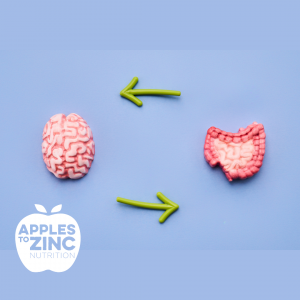 Another important piece of the puzzle is gut health.
Your gut and brain are closely connected through the Gut–brain axis, meaning there is constant communication between the two.
Your gut bacteria play a role in producing neurotransmitters, regulating inflammation and supporting overall brain function.
This means that when your gut health is compromised, it can have a knock-on effect on your mood.
Equally, when you support your gut through diet and lifestyle, many women notice improvements not just in digestion, but in how they feel mentally too.
Foods That Can Negatively Impact Mental Health
When you’re feeling low or overwhelmed, it’s completely natural to reach for foods that provide comfort.
But some of these can actually make things feel worse in the longer term.
- Sugar & Refined Carbohydrates - Foods high in sugar and refined carbohydrates tend to cause those rapid blood sugar changes we’ve just discussed. This can leave you feeling more reactive, more tired and more likely to crave quick energy again.
- Alcohol - This is another common one. While it may feel relaxing in the moment, it can disrupt sleep and affect mood the following day, often increasing feelings of anxiety.
- Caffeine - this can also play a role. In moderate amounts it can be helpful, but when intake is high — particularly during periods of stress — it can contribute to that “wired but tired” feeling and make it harder to switch off.
- Ultra Processed foods - Diets high in ultra-processed foods tend to be lower in the nutrients your brain needs to function well, while also increasing inflammation in the body.
Foods That Might Help
You don’t need a perfect diet (I certainly don’t), but certain nutrients are consistently linked to better mood and cognitive function.
Foods that support mental wellbeing:
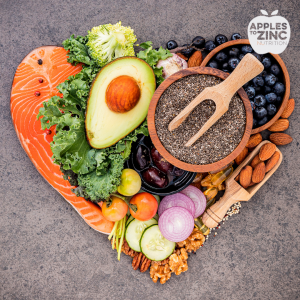
- Oily fish (such as salmon, sardines, mackerel) for omega-3 fats
- Nuts and seeds (especially walnuts, flaxseed, chia) for healthy fats and minerals
- Whole grains (oats, brown rice, quinoa) for steady energy
- Leafy greens (spinach, kale) for folate
- Fermented foods (yoghurt, kefir, kimchi) for gut health
- Berries and colourful vegetables for antioxidants
Lifestyle Plays A Role Too
While nutrition is a key piece of the puzzle, it doesn’t work in isolation.
Sleep, movement, stress levels and social connection all influence mental wellbeing and interact with nutrition.
Even small changes — like improving sleep routines, getting outside for a walk or taking time to slow down — may have a noticeable impact.
If You'd Like Support
If you’ve been feeling more anxious, low, tired or not quite yourself…
It’s not just “in your head.”
And it’s not just hormones.
The relationship between nutrition and mental health in women means that what you eat can directly influence how you feel.
When you start to support your body in a more consistent and balanced way, many women notice improvements in mood, energy and resilience.
If you’d like to understand how your nutrition might be affecting your mood and energy — and what changes would make the biggest difference for you — I offer a free, no-obligation call.
Janet ❤️